Why Resilient Wealth Is Reshaping Luxury Real Estate in 2026
Market News Barbara Chamizo January 31, 2026
Market News Barbara Chamizo January 31, 2026
Luxury real estate is entering a new chapter. After years of rapid swings, compressed inventory, and emotional decision-making, the market is settling into something far more meaningful: stability with intention.
As we move into 2026, affluent buyers and sellers are no longer chasing momentum. They are making thoughtful, strategic choices about where and how real estate fits into their long-term lives. At the center of this shift is a concept gaining real traction across global luxury markets: resilient wealth.
In simple terms, resilient wealth favors places and properties that hold value through change. These are markets that remain desirable across economic cycles, lifestyle shifts, and generational transitions. And increasingly, discerning buyers are placing their confidence here.
A modern wealth haven is not defined by hype or short-term appreciation. It is defined by resiliency.
Resilient markets tend to share several traits. They attract high-net-worth buyers consistently. They recover quickly from disruption. They offer lifestyle value alongside financial stability. And they limit oversupply through geography, policy, or natural scarcity.
These markets do not need urgency to perform. They operate from confidence, which is exactly why they endure.
To help clients make sense of this shift, I use what I call the Resilient Wealth Lens. It is a practical way to evaluate markets and homes beyond price alone.
The five lenses are:
Economic strength
Diverse industries, strong employment, and institutional anchors like healthcare, education, and innovation.
Supply discipline
Limited land, development barriers, and a natural ceiling on future inventory.
Lifestyle alignment
Homes and communities that support wellness, privacy, outdoor access, and everyday livability.
Buyer depth
Ongoing demand from local, national, and international buyers, many of whom purchase with significant equity or cash.
Long-term relevance
Places people want to live now and still want decades from today.
When a market performs well across all five lenses, it tends to behave differently. Owners hold longer. Values remain steadier. And opportunities emerge when conditions soften rather than disappear.
Legacy global markets like New York, London, and Paris still matter. Their cultural gravity and long-standing prestige remain powerful. But wealth creation today is more geographically diverse than ever before.
Remote work, mobile entrepreneurship, and cross-border flexibility have changed how affluent households live. Instead of one primary residence tied to a single city, many now maintain multiple homes, each serving a different purpose. An urban base. A lifestyle retreat. An international foothold.
As a result, new wealth havens are emerging alongside the old. Cities such as Atlanta, Nashville, Austin, and San Diego are increasingly competing on equal footing, not by replacing legacy markets but by complementing them.
These destinations combine lifestyle appeal with strong fundamentals, which is exactly what today’s buyers are seeking.
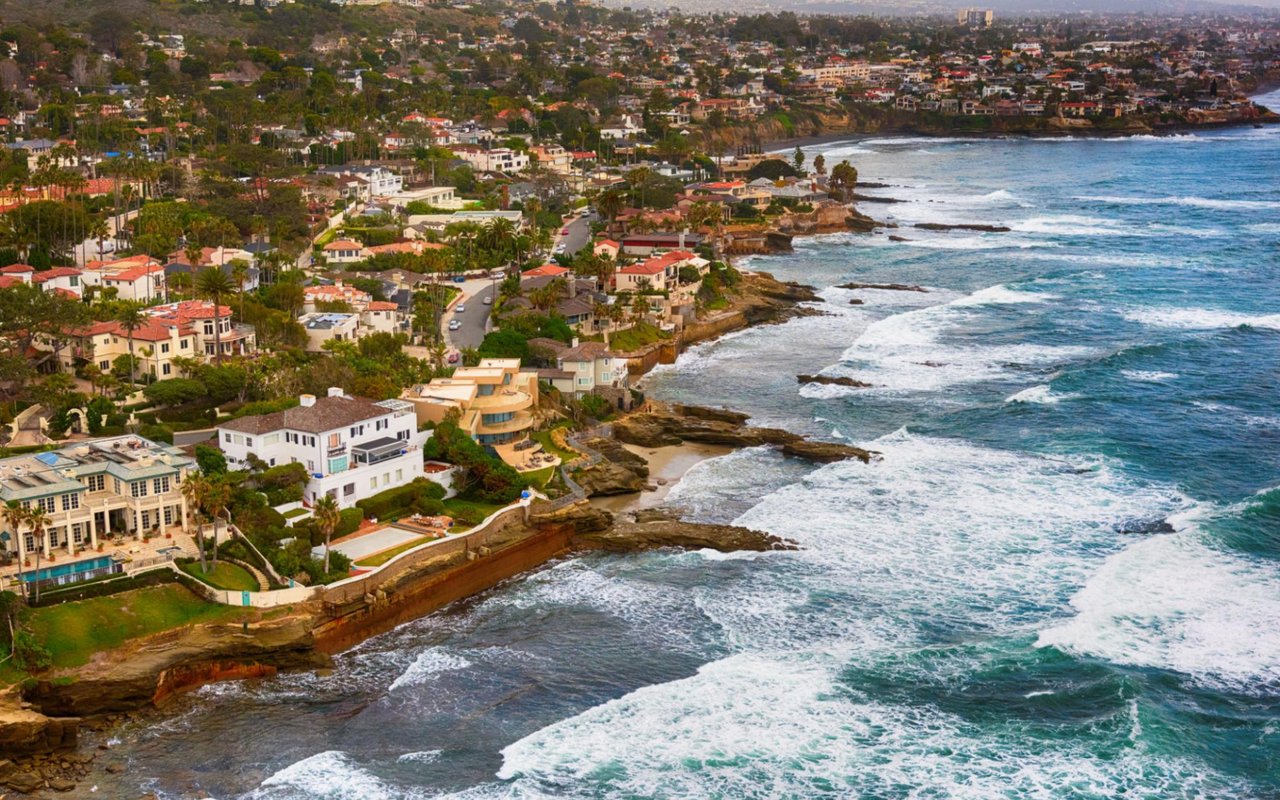
San Diego continues to stand out as one of the most resilient luxury markets in the United States.
Geographic scarcity plays a major role. Coastal land is finite. Many North County communities have strict development limits that naturally protect long-term value. Add in year-round climate, access to the ocean and open space, world-class healthcare, and a thriving innovation economy, and demand remains both deep and durable.
From Del Mar to Rancho Santa Fe, buyers are not just purchasing homes. They are buying a way of life that supports wellness, family connection, and long-term enjoyment.
What I consistently see is confidence. Sellers are rarely forced to move. Buyers are selective but decisive when the right property appears. That balance is the hallmark of a resilient market.
Another defining shift heading into 2026 is what many are calling the stability effect.
Luxury pricing has held firm. Inventory has grown at a healthy, controlled pace. Sales activity remains strongest in the single-family segment, where privacy, flexibility, and outdoor living matter most.
This is not a market driven by fear or speculation. It is driven by intention.
Buyers are taking more time. Sellers are preparing more thoughtfully. Both sides are looking beyond short-term noise and focusing on long-term alignment.
Not all luxury homes are performing equally.
Homes that are turnkey, well-located, and lifestyle aligned continue to command strong interest and premium pricing. Properties that feel dated or disconnected from how people live today are facing longer timelines and more negotiation.
This quality divide is one of the most important dynamics to understand in 2026. Rising inventory does not mean rising opportunity across the board. It means discernment matters more than ever.
Across resilient markets, single-family homes remain the clear preference for affluent buyers.
Privacy, space, and adaptability are no longer luxuries. They are expectations. Outdoor areas, flexible interiors, and retreat-like environments support the way families live, work, and recharge today.
Attached properties still play an important role in select urban and resort settings, but buyers are approaching them with a sharper lens. Fees, density, long-term maintenance, and building health are now front and center in decision-making.
This reflects a broader shift toward what many buyers see as practical luxury. Homes that function beautifully day to day while also serving as long-term assets.
One of the quiet stabilizers of today’s luxury market is seller restraint.
Many homeowners are choosing to wait until conditions truly align with their goals. When they do list, pricing is more grounded, preparation is more intentional, and expectations are more realistic.
This discipline has helped preserve value even as inventory expands. It has also created a more curated marketplace, where quality stands out, and thoughtful strategy outperforms outdated assumptions.
National headlines matter less than neighborhood dynamics.
Luxury performance today is driven by micro-markets. Street by street. Community by community. School districts, walkability, coastal access, and local amenities all shape value in very specific ways.
This is where advisory representation becomes essential. Understanding how a single pocket behaves can make a meaningful difference in outcomes.
As we move through 2026, several themes are likely to define the luxury landscape:
Continued preference for resilient, lifestyle-driven markets
Strong performance of single-family homes
Wider gaps between high-quality and outdated inventory
More intentional timing and pricing decisions
A growing view of real estate as both lifestyle return and wealth preservation
Luxury real estate is no longer just about owning something beautiful. It is about owning something that supports how you live and protects what you have built.
Resilient wealth is not about predicting the market. It is about positioning yourself thoughtfully within it.
Whether you are considering a move, evaluating a sale, or simply staying informed, clarity and perspective matter. The most successful outcomes come from aligning financial goals with lifestyle priorities and working with professionals who understand both.
If you would like to discuss what these trends mean for your real estate plans, I would love to connect and share insights tailored to your goals and timeline.
Contact me today to begin your journey toward luxury coastal living.
Whether you’re looking to buy your dream home or just have questions, I am here to help.
Barbara Chamizo
DRE# 01855738
Phone: (619) 869-1477
Email: [email protected]
Seller Tips
Why Buyers Hesitate at Unrenovated Luxury Homes
San Diego
The Daily Life That Comes With the Address
Buyer Tips
Walkability Is Now a Luxury Feature
Market News
How Interest Rates Affect Luxury Buyers Differently
Seller Tips
What Low Inventory Really Means for North County Sellers
The Trend Report
When "Perfect" Is Not Available, Perspective Shifts
Carlsbad
Is Carlsbad a Good Place to Live?
Market News
Why the Luxury Market Is Moving Toward Stability
Home Buyer
A strategic guide for luxury buyers in North County Coastal San Diego
Barbara, a passionate Real Estate Agent, thrives on the opportunities that San Diego Real Estate has provided. She is readily available to help clients with any real estate needs or questions. Don't hesitate to ask!